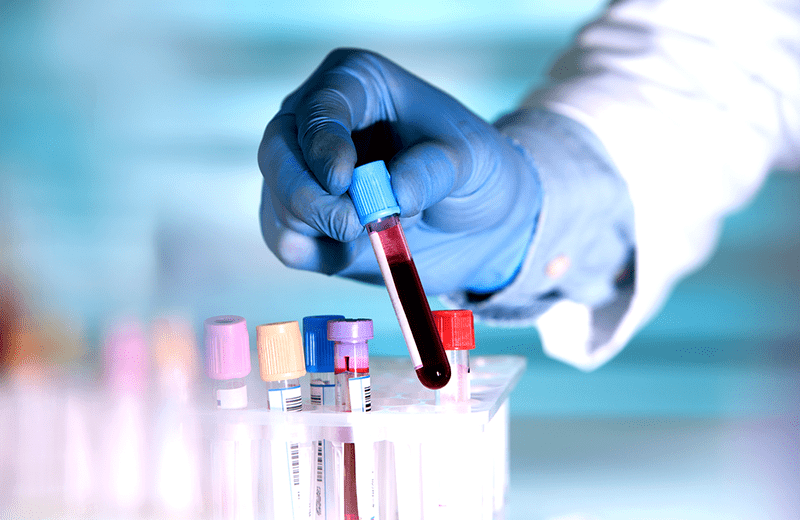
A newer tool in our practice. Using the body’s own growth factors to support egg quality and uterine receptivity.
PRP (Platelet-Rich Plasma) is a concentrated blood product that contains a high percentage of platelets, biomolecules with natural healing and regenerative properties.
The platelets in PRP contain multiple growth factors that normally help the body heal after an injury. They have been shown to help accelerate healing and have been used for the last twenty years in different areas of medicine.
In fertility, PRP is used in IUI and IVF to support egg quantity and quality, and to improve uterine lining thickness and endometrial receptivity during an embryo transfer. It is most often used in patients who have undergone multiple IVF cycles with a history of recurrent implantation failure, where multiple high-quality embryo transfers have not resulted in pregnancy.
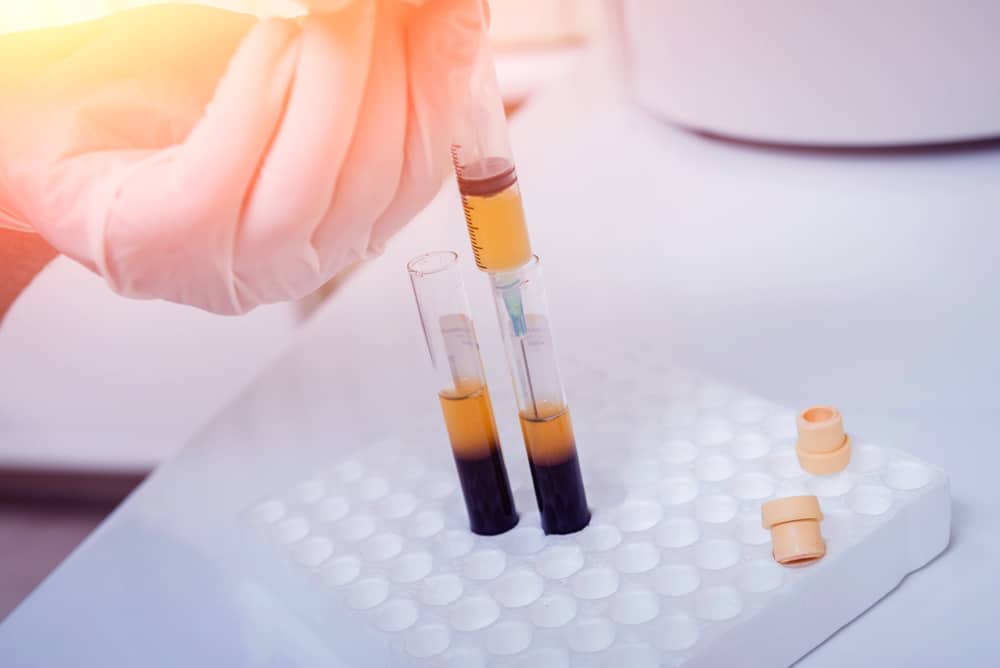
This procedure involves injecting 1 to 3 mL of PRP directly into the ovaries. It is done under monitored anesthesia care by a physician.
During the procedure, a needle with the PRP is guided via ultrasound through the vaginal wall and into the ovaries, where the PRP is deposited. The procedure is ideally done one, two, or three months prior to the start of an IVF stimulation. It may also be done at the time of an egg retrieval, but only if the patient is planning another IVF stimulation cycle afterwards.
During a high volume intrauterine PRP procedure, 8 to 10 mL are infused slowly into the uterus using an SHG catheter (with a balloon). During the process, the plasma flows out of the uterus, through the fallopian tubes, and bathes the ovaries in the plasma.
After the infusion process is complete, the patient rests for 10 minutes with the catheter in place.
When you are ready to explore your options, we are here for you. Our fertility experts will help craft a personalized plan based on your needs.
We will get back to you within 24 hours.